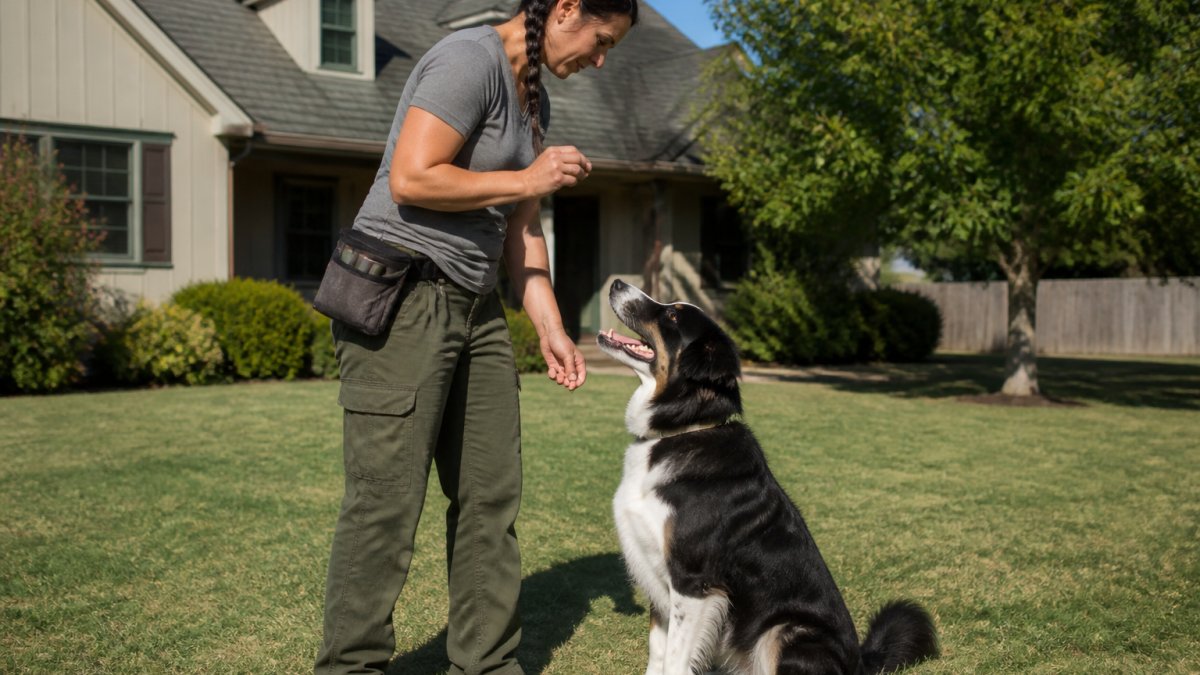
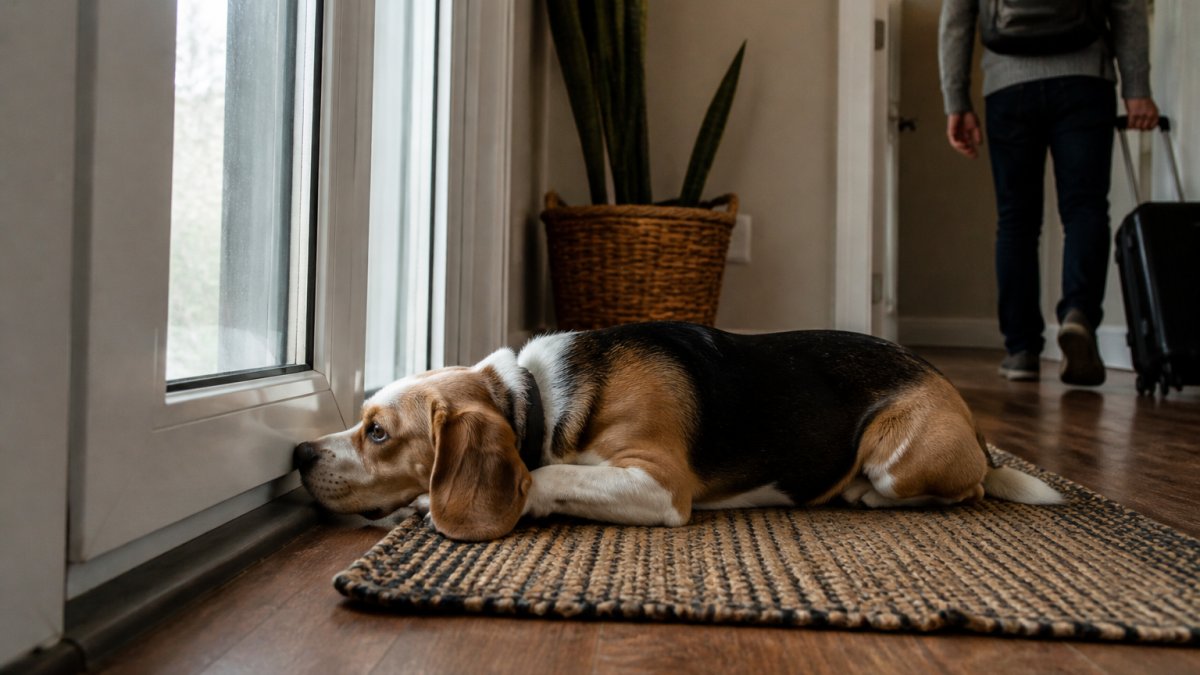
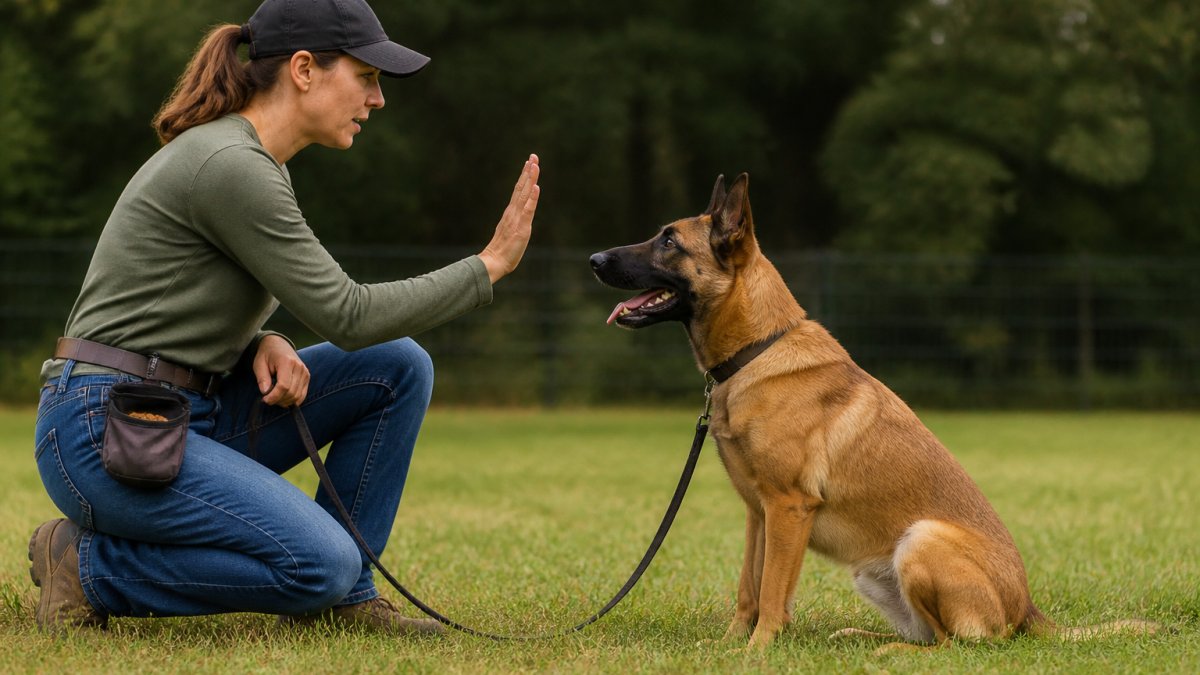
 comparison
Is Professional Dog Training Worth It? A 2026 Guide
Last Updated: October 23, 2026
Quick Summary
Professional dog training is worth it when you choose a trainer matching your dog's needs, commit to practicing between sessions, and understand that training is a foundation you maintain. It delivers reliable obedience, addresses behavioral problems, and gives you tools for long-term progress.
- Basic obedience shows visible progress within 2-4 weeks with consistent training at least 3-4 times per week.
- Behavioral problems like leash reactivity take 6-8 weeks for meaningful progress, with full resolution often requiring 3-6 months.
- Private training works best for behavioral issues, group classes suit puppies and basic obedience, and board-and-train accelerates progress but requires follow-up.
- The most critical period is the first 2-4 weeks after formal training ends, when practicing daily skills prevents old behaviors from returning.
- A well-trained dog integrates into your life and strengthens your bond, while unmanaged behavior problems limit activities and peace of mind.
Table of Contents
- What Professional Dog Training Actually Delivers
- Professional Dog Training Cost: What Factors In
- Private Dog Training vs Group Classes: Which Format Works Best
- How Long Does Dog Training Take to Show Results
- How to Choose a Dog Trainer: Evaluating Qualifications and Methods
- Return on Investment: Measuring Training Outcomes
- What Happens After Training Ends
- Frequently Asked Questions
What Professional Dog Training Actually Delivers
Professional dog training isn't about turning your dog into a circus performer. It's about building the foundation for a well-behaved, confident companion that fits into your life. Professional dog training can make a significant difference for dogs and owners alike.
The real value of professional dog training comes down to three things: teaching your dog reliable obedience commands, addressing specific behavioral problems, and giving you the tools to maintain progress long-term. When a trainer works with your dog on sit, stay, recall, and leash manners, they're not just teaching tricks, they're establishing communication between you and your pet. That foundation changes everything.
Many dog owners assume they can handle training alone through YouTube videos or trial-and-error. What they discover is that consistency matters more than effort. A professional dog trainer brings expertise in reading canine body language, understanding learning theory, and knowing which methods work for different temperaments. Your dog might respond perfectly to one approach and completely ignore another.
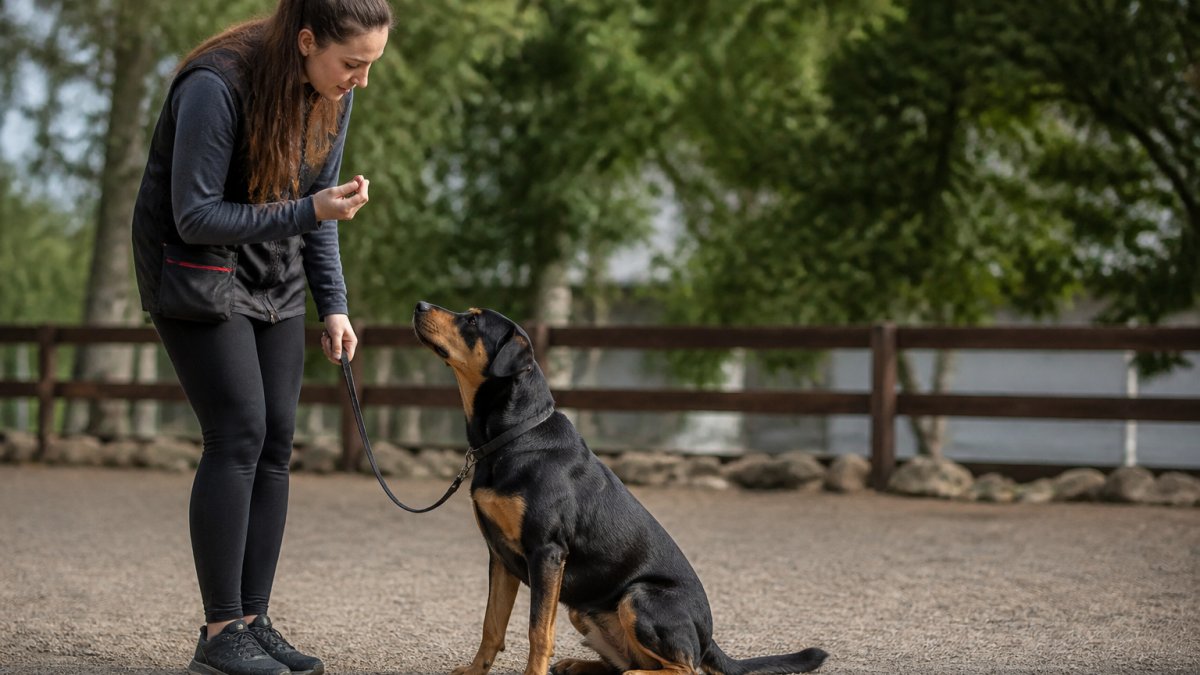
The behavioral problems seen most often, reactivity on leash, anxiety around strangers, resource guarding, jumping on guests, rarely resolve through punishment or force. They require understanding what's driving the behavior and systematically teaching your dog a different response. That's where professional dog training becomes worth its cost.
Professional Dog Training Cost: What Factors In
The cost of professional dog training varies based on several factors, and understanding what drives pricing helps you evaluate whether the investment makes sense for your situation.
The primary variables are training format (private versus group), duration of the program, the trainer's experience and credentials, and your location. A basic group obedience class costs less than private training. Board-and-train programs (where your dog stays with a trainer for intensive work) cost more than weekly sessions.
Training location also matters. Rural areas sometimes have fewer options, which can affect both availability and pricing. Urban centers often have more competition, which sometimes means more price variation. Your dog's specific issues also influence cost. A puppy kindergarten class is straightforward and affordable. Addressing severe aggression or anxiety requires more specialized expertise and longer training timelines, which increases the investment.
When evaluating cost, consider what's included. View our training packages to see the specific options and pricing available. Does the program include follow-up support? Are you learning how to handle your dog, or is the trainer just fixing the problem temporarily? Does the trainer provide written instructions and video demonstrations you can reference at home?
Private Dog Training vs Group Classes: Which Format Works Best
Each training format has genuine advantages and real limitations. The choice depends on your dog's temperament, your goals, and how much hands-on guidance you need.
Private training means one-on-one sessions with a trainer focused entirely on your dog and your specific challenges. This format works best if your dog has behavioral issues that require individualized attention, reactivity to other dogs, severe anxiety, or aggression.
Group classes bring multiple dogs and owners together for structured lessons. Puppies benefit from socialization with similar-age puppies in a controlled setting. Owners often learn as much from watching other handlers as from the instructor. Group classes cost less per session and create a sense of community.
Board-and-train programs involve leaving your dog with a trainer for intensive work over days or weeks. This format accelerates progress because your dog gets consistent training without gaps. It works well when you have limited time or your dog needs focused behavioral intervention.
Many owners find a hybrid approach most effective: start with group classes for basic obedience and socialization, then add private sessions if specific problems emerge. This balances cost, learning, and results.
Each training format offers different benefits and drawbacks depending on your dog's needs and situation.
| Format | Best For | Key Advantage | Main Limitation |
|---|---|---|---|
| Private training | Behavioral issues, reactivity, anxiety, aggression | Individualized attention and customized feedback | Higher cost and scheduling constraints |
| Group classes | Puppies and basic obedience | Socialization and lower cost per session | Limited individual problem-solving |
| Board-and-train | Intensive behavioral work with time constraints | Accelerated progress with consistent training | You don't learn alongside your dog |
How Long Does Dog Training Take to Show Results
This is where realistic expectations matter most. Training results don't follow a single timeline because dogs learn at different rates and behavioral problems have different roots.
Basic obedience, sit, stay, come, loose-leash walking, typically shows visible progress within 2-4 weeks of consistent training. Your dog might not be perfect, but you'll see measurable improvement in responsiveness and focus. That's assuming training happens regularly (at least 3-4 times per week) and you practice between sessions.
Behavioral problems take longer. A dog with leash reactivity or anxiety might show meaningful progress in 6-8 weeks, but full resolution often takes 3-6 months or longer. The dog needs time to build new neural pathways, and you need time to practice the new skills in different environments. Aggression issues are the most time-intensive and require the most patience, sometimes 6-12 months of consistent work.
The variable that matters most is consistency. Find answers to common questions about training timelines. A dog trained once a week with no practice at home will progress slowly. A dog trained twice weekly with daily practice at home advances much faster. Your involvement directly affects the timeline.
How to Choose a Dog Trainer: Evaluating Qualifications and Methods
Not all dog trainers have the same level of expertise or use the same methods. Knowing how to evaluate a trainer before you commit is essential.
Look for credentials and ongoing education. Legitimate trainers pursue certifications from recognized organizations and continue learning throughout their careers. Learn about our background and expertise. They can explain their training philosophy clearly and back it up with reasoning.
Ask about their experience with your dog's specific issues. A trainer who specializes in puppy classes might not have the expertise to handle aggression.
Observe a training session if possible. Watch how the trainer interacts with dogs and owners. Do they use force or intimidation, or do they focus on positive reinforcement and clear communication? Does the dog seem stressed or engaged?
Ask for references and before-and-after examples. Trainers who've worked with dogs similar to yours should be able to show you results. Video testimonials from past clients carry more weight than written reviews because you can see actual behavior change.
Clarify what you're paying for. Are you learning how to train your dog, or is the trainer just handling it? Will you get written instructions, video demonstrations, or follow-up support?
Return on Investment: Measuring Training Outcomes
The real question isn't whether professional dog training is worth it, it's whether the specific training program you're considering will deliver results your dog actually needs.
Start by defining what success looks like for your situation. If your goal is a puppy that doesn't jump on guests and walks on a loose leash, that's achievable and measurable. If your goal is a dog that never shows any anxiety, that's unrealistic.
Track specific behaviors before training starts. How many times does your dog jump on guests in a typical week? How many times does he pull on the leash during a 20-minute walk? How does he react to other dogs? Write these down.
The financial return is harder to quantify but real. A dog with severe behavior problems might cause property damage, injure someone, or be unsafe to take anywhere. That dog costs you freedom and peace of mind.
Consider the cost of not training. A dog with unmanaged aggression might end up in a shelter or euthanized. A dog with severe anxiety might develop health problems from chronic stress. An untrained dog limits where you can go and what activities you can do together.
What Happens After Training Ends
This is the part most owners don't think about until it's too late. Training doesn't end when your final session does. It ends when your dog no longer needs reminders.
The critical period is the first 2-4 weeks after formal training concludes. Your dog has learned new behaviors, but they're not yet automatic. If you stop practicing, the old behaviors return. This is why follow-up support matters. The best trainers provide written instructions, video demonstrations, or occasional check-in sessions so you can maintain progress without paying for full training again.
Your job as an owner is to practice the commands and reinforcement patterns your dog learned. This doesn't mean daily structured training sessions, it means incorporating the skills into daily life.
Some owners find that a single refresher session every 3-6 months helps. The trainer watches you work with your dog, identifies where consistency is slipping, and gives you specific adjustments. This costs far less than starting over but prevents backsliding.
The owner-dog relationship is the foundation that makes training stick. A dog trained by someone else but not reinforced by you will revert. A dog trained with you involved, where you understand the "why" behind each command, maintains progress because the relationship itself supports the behavior.
Professional dog training is worth it when you choose a trainer who matches your dog's needs, you commit to practicing between sessions, and you understand that training is a foundation you maintain, not a destination you reach.
Frequently Asked Questions
Is professional dog training worth the cost?
Professional dog training delivers measurable behavior change and builds the owner-dog relationship, making it worthwhile when you have specific behavioral goals or a dog with complex issues. The value depends on your dog's needs, your time availability, and your commitment to reinforcing training at home. For reactivity, aggression, or severe anxiety, professional guidance often prevents costly mistakes and accelerates progress. For basic obedience, group classes offer a cost-effective entry point.
How much does professional dog training cost compared to doing it yourself?
Professional dog training cost varies based on program length, intensity, and your location. Rather than attempting DIY training with limited knowledge, which risks reinforcing unwanted behaviors, professional training provides expert guidance tailored to your dog's specific needs. Contact Voca Springs Dog Training for a personalized quote.
How long does dog training take to see real results?
Most dogs show noticeable behavior improvements within 2-4 weeks of consistent professional training, though deeper habit changes and off-leash reliability take 8-12 weeks or longer. Timeline depends on your dog's age, the severity of behavioral issues, and your consistency with reinforcement at home. Puppies typically progress faster than adult dogs with ingrained behaviors. Realistic expectations prevent frustration and support the long-term commitment training requires.
What should I look for when choosing a dog trainer?
Evaluate trainers based on their training methods and their ability to explain how they'll address your dog's specific problems. Ask for references from past clients and observe a session if possible. Avoid trainers who guarantee results or use only punishment-based techniques. A qualified trainer will assess your dog, discuss realistic expectations, and involve you in the process so you learn to handle your dog independently.