 how-to
Dog Training in Caney: A Step-by-Step Guide
Table of Contents
- Understanding Dog Training in Your Area
- Types of Dog Training Services Available Locally
- Private Dog Training: What to Expect
- Dog Behavior Modification for Reactivity and Anxiety
- How Long Does Dog Training Take
- Dog Training Cost and Program Comparison
- How to Select the Right Trainer and Maintain Progress
- Frequently Asked Questions
Last Updated: October 19, 2026
Understanding Dog Training in Your Area
Dog training caney in Oklahoma offers practical solutions for building obedience and addressing behavioral challenges, whether you have a new puppy or an adult dog with established habits. Voca Springs Dog Training understands that every dog has unique needs based on age, breed, background, and household environment.
Local services range from basic obedience to specialized behavior modification, and a professional trainer usually accelerates progress compared to training alone.
Types of Dog Training Services Available Locally
Dog training services fall into several categories, each addressing different needs. Caney is a small town, so the local market is thin, and most owners choose between a handful of nearby providers and larger towns within a reasonable drive.
What Is Actually Available Nearby
The local options break down into four realistic buckets:
- In-home trainers who travel to Caney. A small number of independent trainers and behavior consultants serve the surrounding area and will come to your home. Availability is limited, so expect to book one to three weeks out and to confirm the trainer's service radius before scheduling.
- Facility-based training in nearby towns. Group classes and private lessons are more plentiful in the larger communities within roughly a 30- to 45-minute drive. This is the most reliable option for structured puppy classes and basic obedience.
- Board-and-train programs. These require dropping your dog off, usually for two to four weeks, at a facility outside town. They suit owners with demanding schedules but cost significantly more and reduce the hands-on learning you get from owner-involved training.
A practical rule: call two or three providers before committing and ask whether they serve Caney, how far they will travel, and whether a travel fee applies. That single conversation filters out most mismatches.
Basic Obedience Training
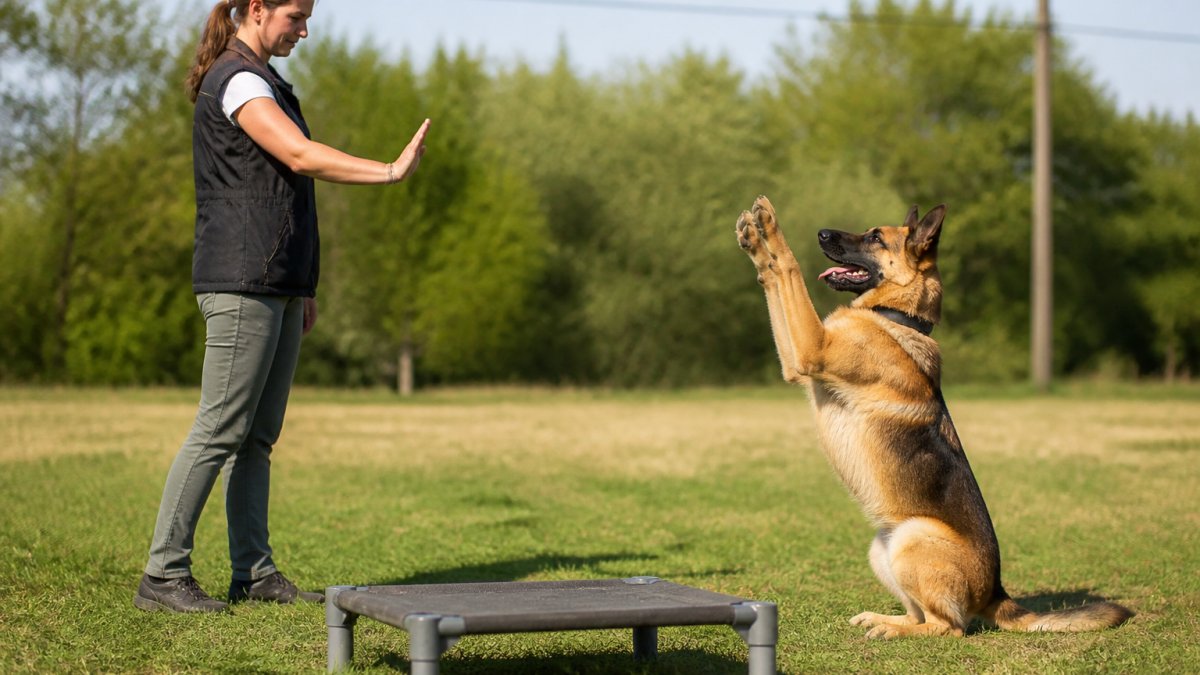
Basic obedience training covers foundational commands and manners every dog should know: sit, stay, come, down, and leash walking, which make daily life safer and more enjoyable for both of you.
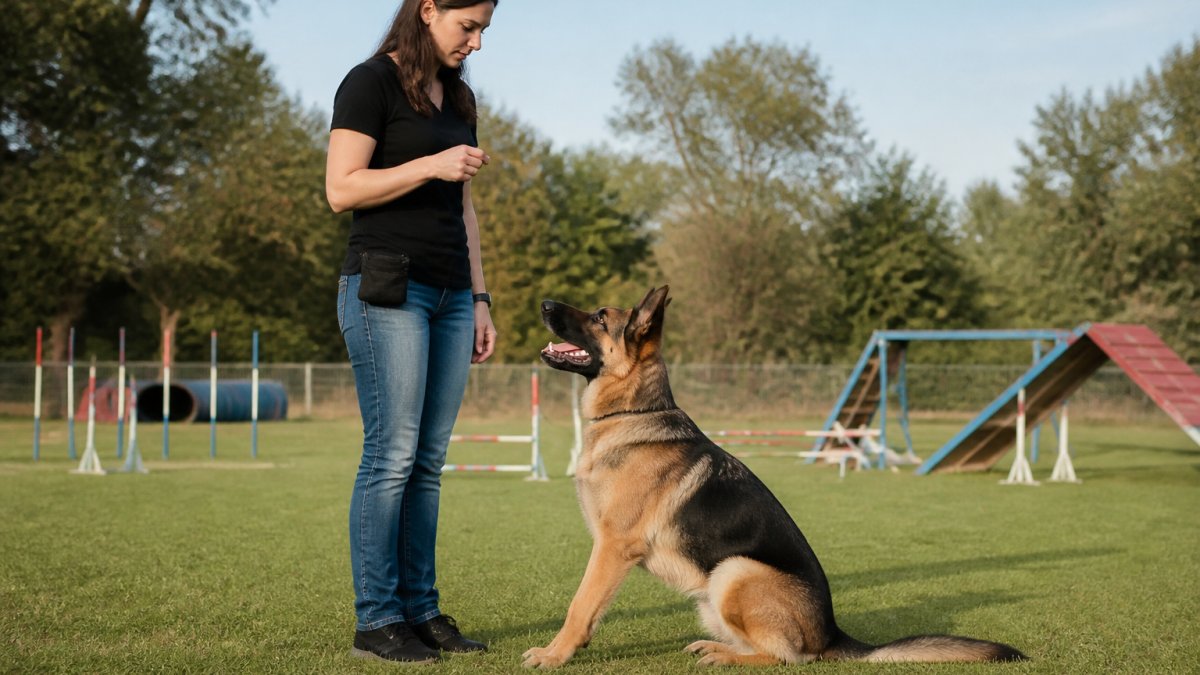
Most basic obedience programs run 4 to 8 weeks, and dogs of all ages and breeds benefit. Sessions pair you with a trainer who coaches you on reinforcing commands at home.
Behavior Training and Problem Resolution
Behavior training targets unwanted habits like jumping on guests, excessive barking, resource guarding, or destructive chewing rather than teaching new commands.
Behavior modification requires understanding why your dog acts out: a dog that jumps on visitors may seek attention, while excessive barking can signal anxiety, boredom, or environmental triggers. A professional trainer identifies the root cause and builds a plan to redirect the behavior.
In-Home Training Options
In-home training brings professional instruction directly to your environment, so the trainer works with your dog in the actual spaces where problems occur, like the neighborhood route where your dog pulls.
It also lets the trainer assess your household setup, family dynamics, and daily routines, offering advice you can apply immediately when the trainer isn't present.
Service Dog and Specialty Training
Service dog training is a separate category with its own requirements and is rarely available locally. Most organizations place dogs through their own programs rather than open enrollment, and owner-trained service dogs usually require a certified task-training specialist. Start by contacting a recognized service dog organization about eligibility and wait times.
Daycare and Related Pet Services
Daycare, boarding, and grooming support training but do not replace it. Daycare can help a social dog burn energy and practice polite play, but it won't fix leash manners or recall. Use these as complements, not substitutes, and ask whether staff use force-free handling if your dog is shy or reactive.
How to Compare Local Options
When comparing providers for dog training caney in Oklahoma, weigh four things: whether they serve your area and any travel fee, whether they teach you alongside your dog, their method and credentials, and what follow-up support is included. A provider 40 minutes away who teaches you to handle your own dog often beats a closer option that only trains the dog for you.
Private Dog Training: What to Expect
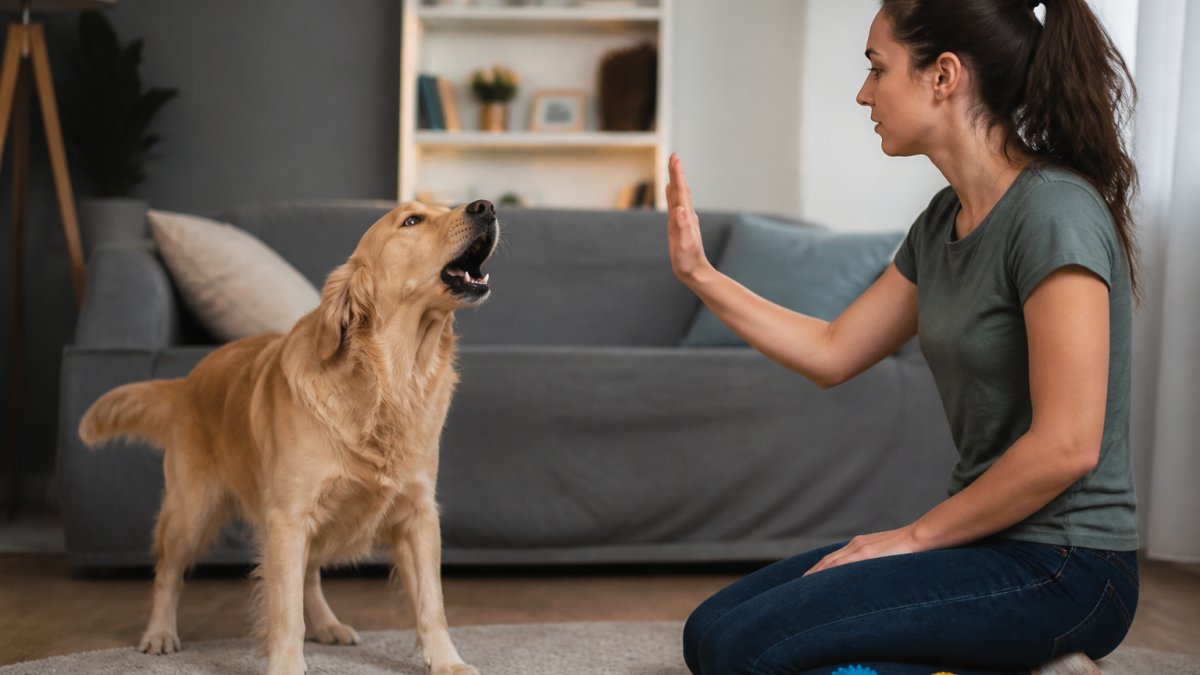
Private dog training means working one-on-one with a professional trainer rather than in group classes, letting the trainer focus entirely on your dog's needs and your goals.
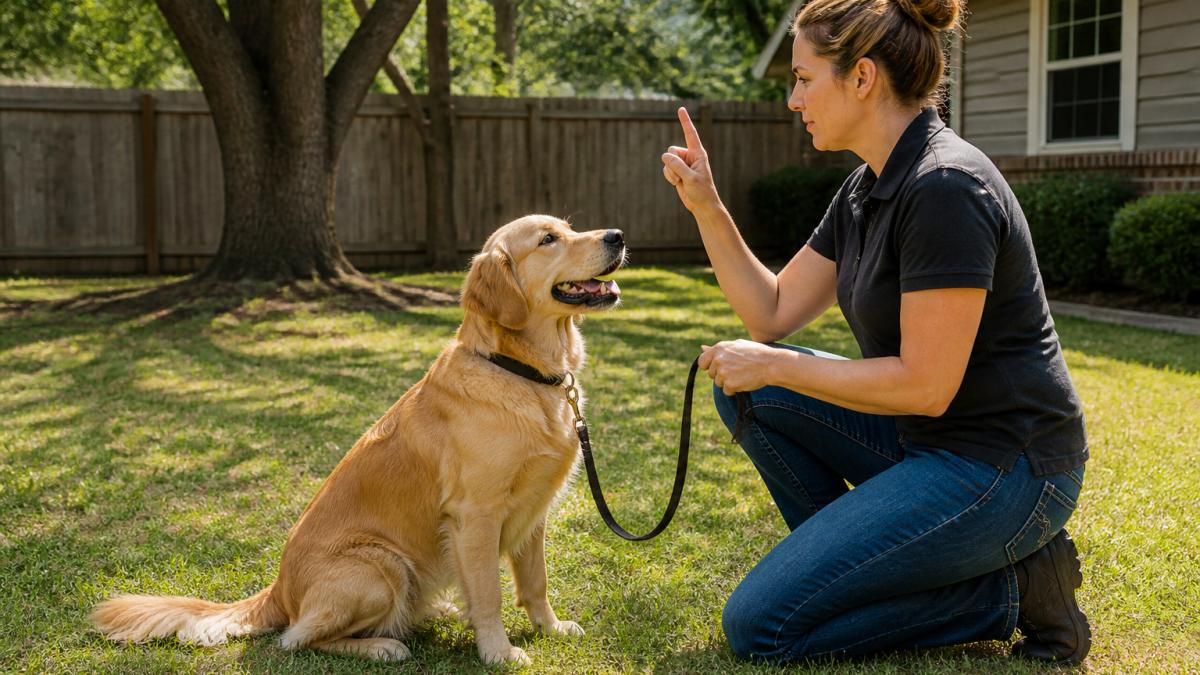
Most private programs involve weekly or twice-weekly sessions lasting 30 to 60 minutes, depending on your dog's age and the complexity of the issues.
The trainer teaches you to handle your dog, not just trains the dog.
Dog Behavior Modification for Reactivity and Anxiety
Reactivity and anxiety are among the most common behavioral challenges owners face.
Behavior modification requires a systematic approach: the trainer identifies specific triggers and designs exercises to desensitize your dog while teaching a new response, which takes time because you're rewiring an automatic reaction.
Many reactive or anxious dogs benefit from controlled exposure combined with positive reinforcement.
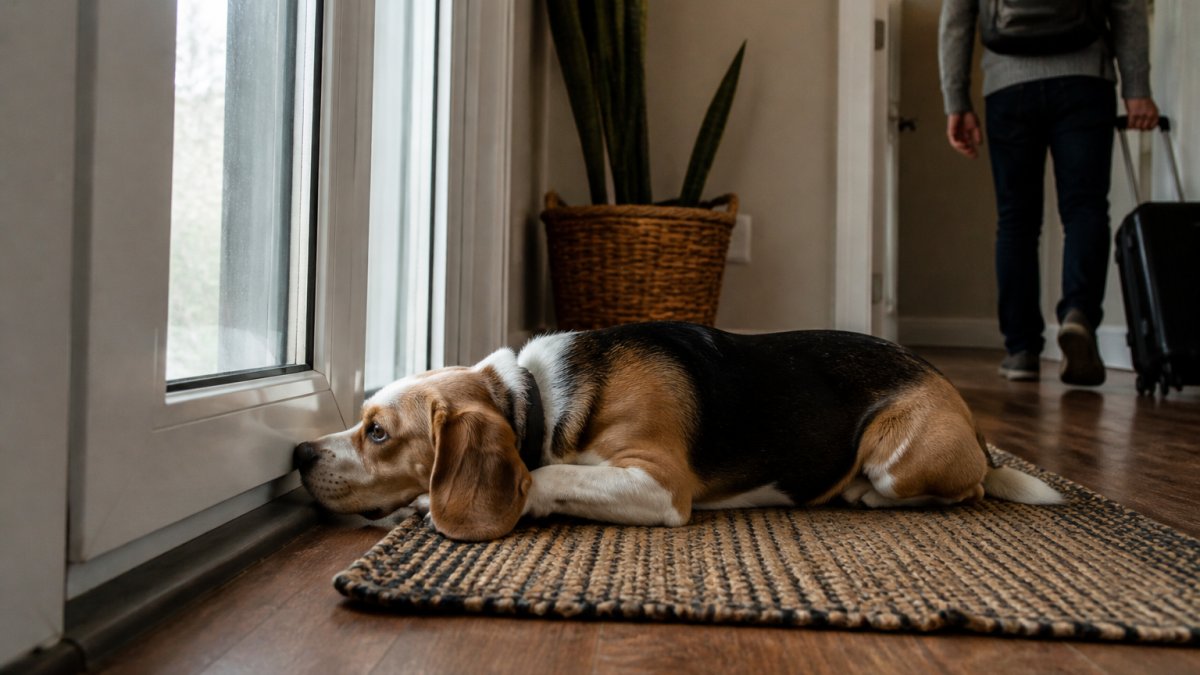
Reactivity and anxiety often reflect a lack of confidence or past negative experiences, so an experienced trainer rebuilds your dog's trust and confidence rather than just suppressing the behavior.
How Long Does Dog Training Take
The timeline depends on the issues being addressed and how consistently you practice between sessions.
Training doesn't end when formal sessions stop; 10 to 15 minutes of daily practice keeps your dog sharp and responsive.
Puppies often progress faster than adult dogs because they lack ingrained habits, while adult dogs with years of established patterns need more time.
Progress isn't always linear: your dog might have a breakthrough week followed by a plateau.
Dog Training Cost and Program Comparison
Dog training costs vary based on the trainer's experience, training type, and program length. Key pricing factors:
- Trainer experience and credentials, More experienced trainers typically charge higher rates
- Training location, In-home training usually costs more than facility-based training
- Program intensity, Programs with multiple sessions per week cost more than weekly sessions
When comparing training programs, look beyond the price tag. A cheaper program might provide minimal results, while a higher-priced program with an experienced trainer delivers lasting change. Ask what's included: follow-up support, guarantees, and whether the trainer teaches you or just trains your dog.
Some trainers offer package deals, others charge per session, and some include follow-up consultations. Understanding what you're paying for helps you make an informed decision.
How to Select the Right Trainer and Maintain Progress
Choosing the right trainer is one of the most important decisions you'll make for your dog's development. A good trainer has relevant experience with your dog's breed, age, and specific behavioral challenges. What most guides leave out is a concrete way to evaluate a trainer and a simple system for tracking progress after training starts.
A Trainer Selection Checklist
Use this checklist during your first call or consultation. A strong trainer will welcome these questions.
- Credentials and continuing education. Ask what certifications they hold and how they keep current. Recognized credentials from organizations such as the Certification Council for Professional Dog Trainers (CCPDT) or the International Association of Animal Behavior Consultants (IAABC) indicate a baseline of tested knowledge (How to become a certified dog trainer). Certification is not mandatory, but it is a useful signal.
- Methods and philosophy. Ask directly whether they use positive reinforcement, aversive tools, or a mix. Ask how they handle a dog that does not respond quickly. A trainer who can explain their approach and its trade-offs is more trustworthy than one who promises instant results.
- Owner involvement. Ask whether you will be taught to handle your dog or whether the trainer works with the dog alone. Owner-involved training produces better long-term results because you learn the skills.
Evaluating Training Methods
Training methods generally fall on a spectrum from force-free positive reinforcement to methods that use aversive tools such as prong collars or electronic collars. Positive reinforcement-based training is widely recommended by veterinary and animal welfare organizations because it builds confidence and strengthens the owner-dog bond without risking fear or fallout (The American Veterinary Society of Animal Behavior).
Tracking Progress with Measurable Milestones
Progress is easier to see when you define it. Before training begins, write down two or three specific behaviors you want to change and how you will measure them. Examples:
- Recall: Your dog comes when called from 10 feet in the house, then 20 feet in the yard, then across a quiet park.
- Leash manners: Your dog walks 20 feet without pulling, then a full block, then past another dog at a distance.
- Jumping: Your dog keeps four paws on the floor when a guest enters, first with one guest, then with two.
Track these weekly in a simple notebook or phone note. A common pattern is a breakthrough week followed by a plateau. Plateaus are normal and usually mean you need to change the difficulty, not give up. If you see no measurable progress after three to four weeks of consistent practice, that is a signal to talk with your trainer about adjusting the plan.
Realistic Timelines
Basic obedience typically shows noticeable results in 4 to 8 weeks with daily practice of 10 to 15 minutes. More complex behavioral issues may take 8 to 12 weeks or longer. Puppies often progress faster because they lack ingrained habits, while adult dogs with years of established patterns need more time. Rescue dogs with unknown backgrounds may need extra time to build trust before behavior modification is effective.
Maintaining Progress After Training Ends
Training does not end when formal sessions stop. The maintenance phase is critical. Dedicate 10 to 15 minutes daily to practice, and fold commands into daily routines such as feeding, walks, and greetings. A common mistake is stopping all practice once formal training ends and expecting the dog to maintain behaviors without reinforcement. Dogs, like people, need regular practice to keep skills sharp.
Frequently Asked Questions
What should I look for in a dog trainer?
Look for trainers with documented experience working with your dog's age, breed, and specific behavioral challenges. Ask about their training methods, positive reinforcement-based approaches are widely supported by animal behaviorists. Request references from past clients, especially those whose dogs had similar issues. Verify they offer in-home consultations or real-world training in your environment, not just facility-based work. A qualified trainer should explain their approach clearly and be willing to answer questions about how they'll help you maintain training after formal sessions end.
How much does professional dog training cost?
Dog training cost varies based on the trainer's experience, your dog's specific needs, program length, and whether training is conducted in-home or at a facility. Pricing depends on the complexity of behavioral issues, the number of sessions required, and whether you need owner-training components included. For accurate pricing tailored to your situation, contact local trainers directly for quotes. Many offer free initial consultations to assess your dog's needs and provide transparent estimates before you commit.
How long does dog training take to show results?
Basic obedience training typically shows noticeable progress within 2-4 weeks of consistent work. Behavior modification for issues like reactivity or anxiety often takes longer, usually 6-12 weeks or more, depending on the severity and how consistently you reinforce training at home. The timeline also depends on your dog's age, prior training experience, and your commitment to practicing between sessions. A professional trainer should provide a realistic timeline during your initial consultation and adjust expectations based on your dog's individual progress.
Will my dog revert to old behaviors after training ends?
Dogs can regress if training isn't reinforced consistently at home. The best way to prevent this is to work with a trainer who teaches you the techniques so you can maintain them yourself. Look for programs that include owner-training components and follow-up guidance. Many trainers offer refresher sessions or ongoing support to help you troubleshoot issues. Your commitment to practicing commands and maintaining the training routine is just as important as the initial professional work, this partnership approach produces lasting results.