 how-to
How to Find Local Dog Behavior Modification Services
Table of Contents
- Why Professional Dog Behavior Modification Services Matter
- How to Find a Qualified Dog Behaviorist Near Me
- What Does Dog Behaviorist Cost and What Affects It?
- In-Home Dog Behavior Training vs. Group Classes
- Why Positive Reinforcement Dog Training Works for Lasting Change
- Matching Service Format to Your Dog's Behavior Problem
- Measuring Progress and Setting Realistic Expectations
- Frequently Asked Questions
Last Updated: October 13, 2026
Why Professional Dog Behavior Modification Services Matter
Dog behavior modification is the structured process of changing a dog's emotional response and habits through consistent, reward-based training rather than punishment. This guide from Voca Springs Dog Training walks through how to find local dog behavior modification services, what credentials matter, what affects cost, and how to measure real progress.
The stakes are higher than most people assume. A dog that lunges at other dogs on leash, guards food, or shuts down around strangers is not being stubborn. These are emotional responses that rarely fade with time.
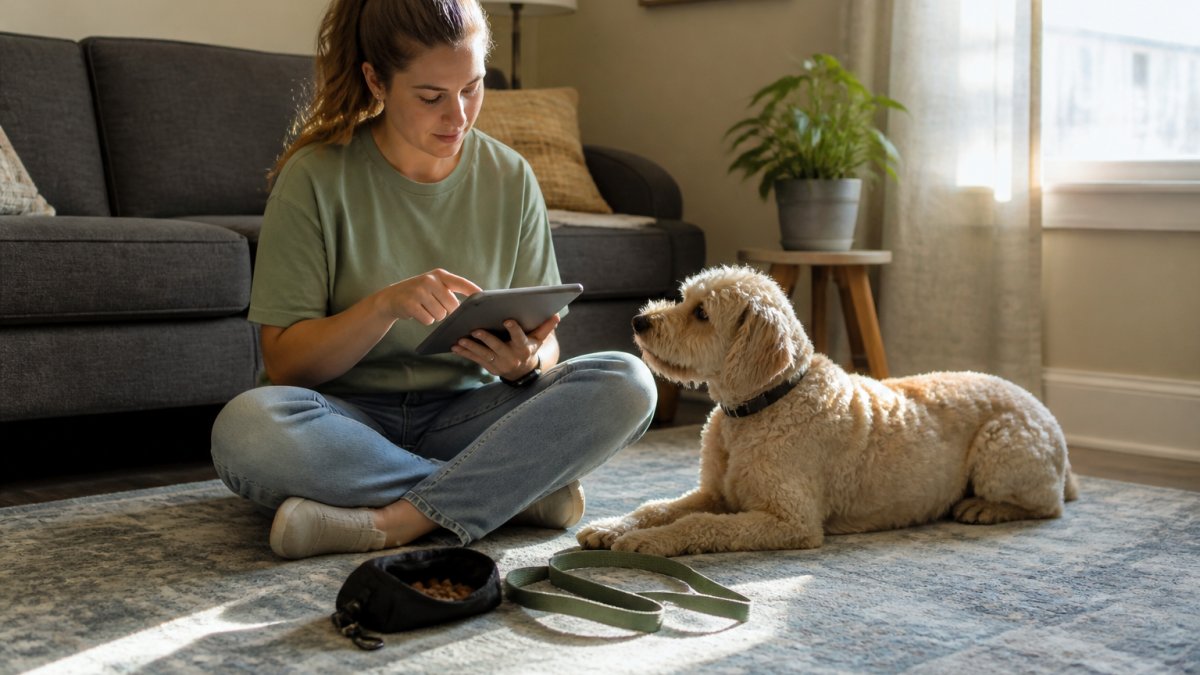
Here is the part most guides skip: the first step is not picking a trainer. It is deciding what kind of help your dog actually needs. A puppy that jumps on guests needs manners training. A rescue dog that freezes and growls when approached needs a behavior assessment first.
How to Find a Qualified Dog Behaviorist Near Me
Start by searching for a certified trainer or behavior consultant who works with your specific problem, not the closest name on a map. Certification, species-specific experience, and a clear assessment process matter more than distance.
When you search for a dog behaviorist near me, you will get a mix of obedience trainers, board-and-train facilities, and veterinary behaviorists. They are not interchangeable. Here is the practical difference:
- Certified professional dog trainer: handles manners, obedience, and common behavior challenges using reward-based methods.
- Behavior consultant: specializes in aggression, severe anxiety, and reactivity, usually with advanced certification.
- Veterinary behaviorist: a licensed veterinarian with behavior specialization, able to prescribe medication alongside training.
For most reactivity and fear cases, a certified behavior consultant is the right starting point. If your dog has a bite history or sudden behavior changes, a veterinary exam comes first, because pain and medical conditions can look exactly like a training problem.
Credentials That Set Professionals Apart
Certification is the fastest way to separate serious professionals from hobbyists. Look for credentials from recognized bodies such as the Certification Council for Professional Dog Trainers or the International Association of Animal Behavior Consultants. These require testing, continuing education, and adherence to a code of conduct.
Ask directly about the credential, who issued it, and how it is maintained. A trainer who cannot name their certifying body in one sentence is a red flag.
Questions to Ask Before Hiring
A short phone screen tells you more than any website. Ask these before you book:
- What is your assessment process, and does it happen before training starts?
- How many aggression or reactivity cases do you handle per month?
- What methods do you use, and what happens if my dog shows fear?
- Will I be present for sessions, and what does homework look like between them?
- How do you measure progress, and what does a realistic timeline look like?
If a provider guarantees a fix in a set number of sessions or refuses to explain their methods, keep looking. Behavior change is gradual, and honest professionals say so. The American Veterinary Medical Association's guidance on behavior is a useful reference for how veterinary and training professionals approach these cases together.
What Does Dog Behaviorist Cost and What Affects It?
Dog behaviorist cost varies widely based on format, credentials, and case complexity, so ask each provider for a written quote rather than assuming a standard rate. Most professionals charge per session, per package, or per program, and pricing depends on travel, session length, and how many sessions your case needs.
Because rates swing so much by region and credential, the more useful exercise is comparing quotes on the same terms. Build a simple grid with one row per provider and these columns:
| What to Compare | Why It Matters |
|---|---|
| Session length and rate | A 60-minute session at one rate is not comparable to a 90-minute session at another |
| Assessment fee | Some providers fold the initial assessment into the first session; others charge separately |
| Package size and expiration | A 6-session package that expires in 60 days may not fit a slow-progressing case |
| Travel or mileage fee | In-home providers in rural areas often add a per-visit charge |
| Between-session support | Email, text, or video check-ins included or billed hourly |
| Reassessment cost | Whether progress reviews are bundled or charged as new sessions |
| Cancellation and no-show policy | A reactive dog can have a bad day; know the penalty before you book |
Several factors move the number up or down:
- Format: in-home sessions usually cost more per visit than group classes because of travel and one-on-one attention. Virtual sessions typically sit at the low end because there is no travel.
- Credentials: behavior consultants and veterinary behaviorists charge more than general obedience trainers, reflecting the additional testing and case experience their credentials require.
- Severity: a simple manners issue may resolve in a few sessions; aggression cases often need months of structured work with periodic reassessment.
- Travel distance: rural service areas add drive time, and some providers build that into pricing.
- Medication and veterinary involvement: if a veterinary behaviorist is part of the plan, expect separate veterinary exam and prescription costs on top of training fees.
Ask for the total expected cost, not just the per-session rate. A provider who quotes a package, explains what it includes, and tells you when reassessment happens is giving you the full picture. A provider who quotes only a session rate and cannot estimate how many sessions your case will take is not.
One cost most owners do not plan for: the time. Behavior modification is owner-intensive. Expect to practice between sessions, keep a log, and adjust your routine. A cheaper program you cannot keep up with costs more in the end than a well-matched one you can.
In-Home Dog Behavior Training vs. Group Classes
In-home dog behavior training wins for aggression, reactivity, and fear cases because the problems happen at home and on your street, not in a classroom. Group classes work well for puppies and dogs with mild manners issues who are comfortable around other dogs.
The deciding factor is your dog's threshold. A dog that can sit politely near other dogs while slightly distracted is a group-class candidate. A dog that barks, lunges, or shuts down the moment another dog appears will learn nothing in that environment and may get worse.
| Service Format | Best For | Typical Structure | Owner Involvement |
|---|---|---|---|
| Private in-home sessions | Reactivity, aggression, fear, home-specific problems | One-on-one at your home, customized plan | High, you practice with coaching |
| Group classes | Puppies, basic obedience, mild manners | 4-8 dogs, fixed curriculum | Moderate, homework between classes |
| Board-and-train | Owners short on time, foundation work | Dog stays with trainer, then handoff lessons | Lower during, high at handoff |
| Virtual coaching | Follow-up support, remote areas | Video sessions, live feedback | High, you do the handling |
That last point matters. A dog trained away from home and returned without owner coaching often regresses within weeks. Whatever format you choose, insist on being part of the process.
Why Positive Reinforcement Dog Training Works for Lasting Change
Positive reinforcement dog training changes behavior by rewarding what you want instead of punishing what you don't. It works because it addresses the underlying emotion, not just the visible behavior, which is why results hold up over time.
Here is the mechanism in plain terms. A reactive dog is not choosing to act out; it is scared or over-aroused, and the barking is a coping response. Punishment suppresses the outward behavior while leaving the fear intact, so the problem often returns stronger.
This is not a soft approach. It is the standard endorsed by veterinary behavior organizations, and the American Society for the Prevention of Cruelty to Animals' position on training notes that aversive methods can increase fear and aggression in some dogs. Ask any provider you interview to describe their methods in plain language.
Matching Service Format to Your Dog's Behavior Problem
Match the format to the problem, not to your schedule. The wrong format wastes money and can set a nervous dog back.
- Leash reactivity: private in-home or neighborhood sessions, so the trainer can work in the exact environment where it happens.
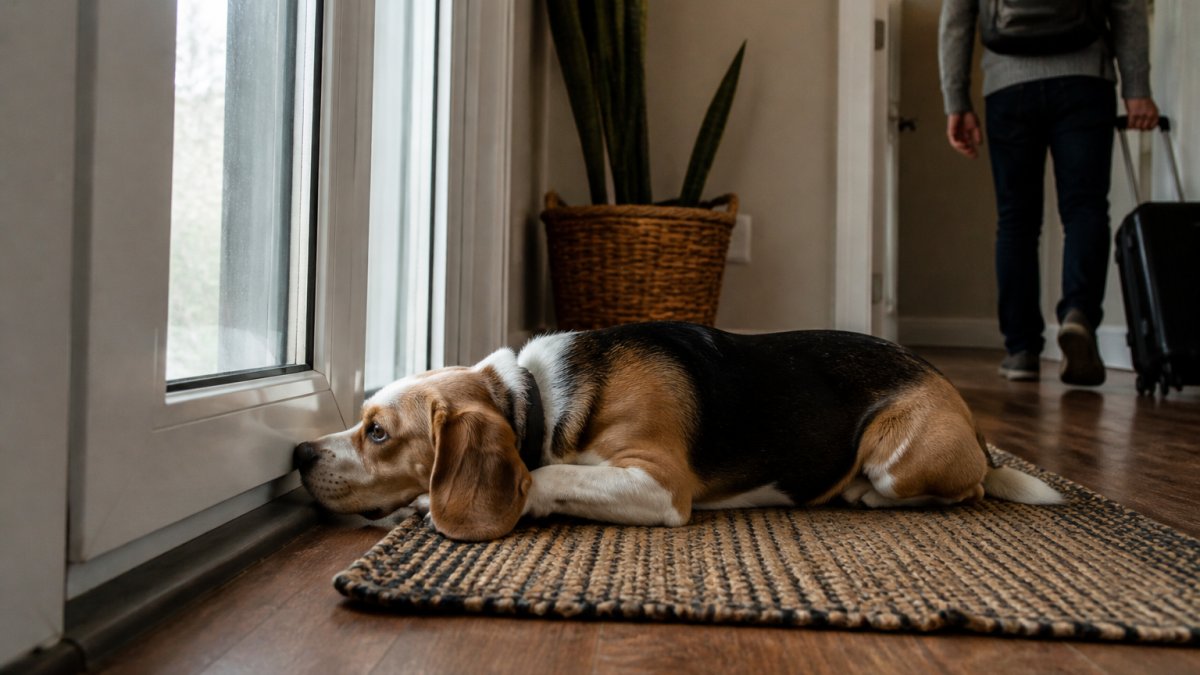
- Separation anxiety: in-home assessment plus a structured plan, since the problem only appears when you leave.
- Resource guarding: private sessions with an experienced consultant, never a group setting where other dogs add risk.
- Puppy manners and socialization: group classes are ideal, provided the puppy is comfortable and up to date on vaccinations.
- Basic obedience for adult dogs: group or private both work; choose based on your dog's focus around other dogs.
If you are unsure which category your dog falls into, book an assessment. A good provider will tell you honestly whether your case is within their scope or needs a veterinary referral.
Measuring Progress and Setting Realistic Expectations
Progress in behavior modification is measured by your dog's emotional response, not by perfect obedience. Expect improvement in weeks and consolidation over months, with plateaus along the way.
Track these markers instead of waiting for a full transformation:
- Recovery time: how fast your dog settles after a trigger appears.
- Threshold distance: how close a trigger can get before your dog reacts.
- Latency: how quickly your dog responds to a cue under distraction.
- Duration: how long your dog can stay calm in a previously difficult situation.
Keep a simple log after each session: trigger, distance, reaction, recovery time. Over a month, that log shows trends no single session can. And ask about follow-up support before you pay. Programs that include check-ins and adjustments after the formal sessions end are the ones where results actually stick.
Behavior problems rarely resolve on their own, and the gap between a manageable dog and a dangerous one can close fast. Voca Springs Dog Training offers professional obedience and behavior modification services built around your dog's specific challenges, from basic manners to complex reactivity and aggression cases.
Frequently Asked Questions
How much will a dog behaviorist cost?
Costs vary based on the professional's credentials, your location, and the complexity of the behavior issue. In-home sessions typically cost more than group classes because of travel and one-on-one attention. Some behaviorists charge per session, others offer packages. Many providers offer sliding scales or payment plans. Because pricing depends on your specific situation, contact local providers directly for quotes. Ask what's included: follow-up support, written behavior plans, and progress tracking all affect the overall value.
What is the difference between a dog trainer and a behaviorist?
A dog trainer focuses on obedience commands like sit, stay, and leash manners. A behaviorist addresses deeper issues such as aggression, severe anxiety, and reactivity that go beyond basic training. Behaviorists often hold advanced certifications in animal behavior and may work alongside veterinarians. For serious behavior challenges, a behaviorist is usually the better choice. For puppy training or basic manners, a certified trainer is sufficient. Ask about credentials and scope of practice before hiring.
Can dog behavior problems be changed with training?
Yes, most behavior problems respond to structured modification plans, especially with early intervention. Positive reinforcement methods have strong support for reducing reactivity and building替代 behaviors. Success depends on consistency, the dog's history, and owner follow-through. Severe cases may need veterinary involvement to rule out medical causes. A qualified behavior professional will assess your dog, create a plan, and track progress over weeks or months, not days.
Should I choose in-home dog behavior training or group classes?
In-home dog behavior training suits dogs with reactivity, aggression, or anxiety because the trainer sees the dog's real environment and triggers. Group classes work well for socialization and basic obedience in a controlled setting. For severe behavior issues, private in-home sessions are usually more effective. Some owners combine both: private sessions for behavior work and group classes for manners practice. Ask providers which format fits your dog's specific challenges.