 ultimate-guide
Best Dog Training Methods for Beginners to Build Reliable Obedience
Last Updated: November 2, 2026
Quick Summary
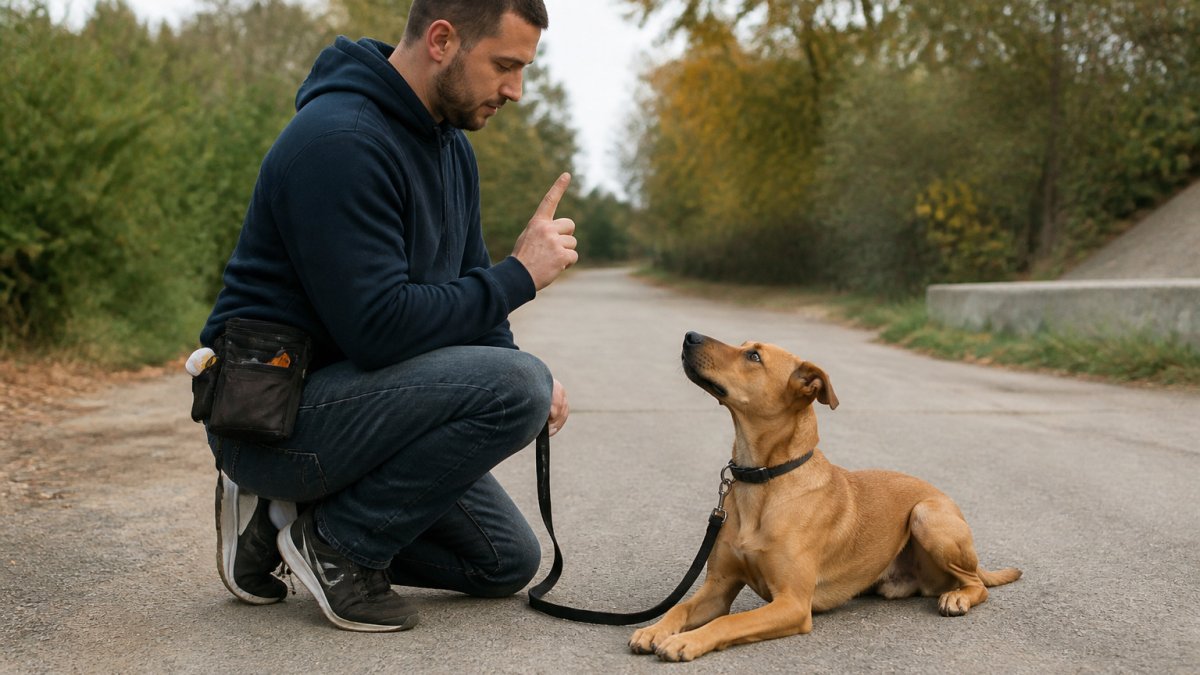
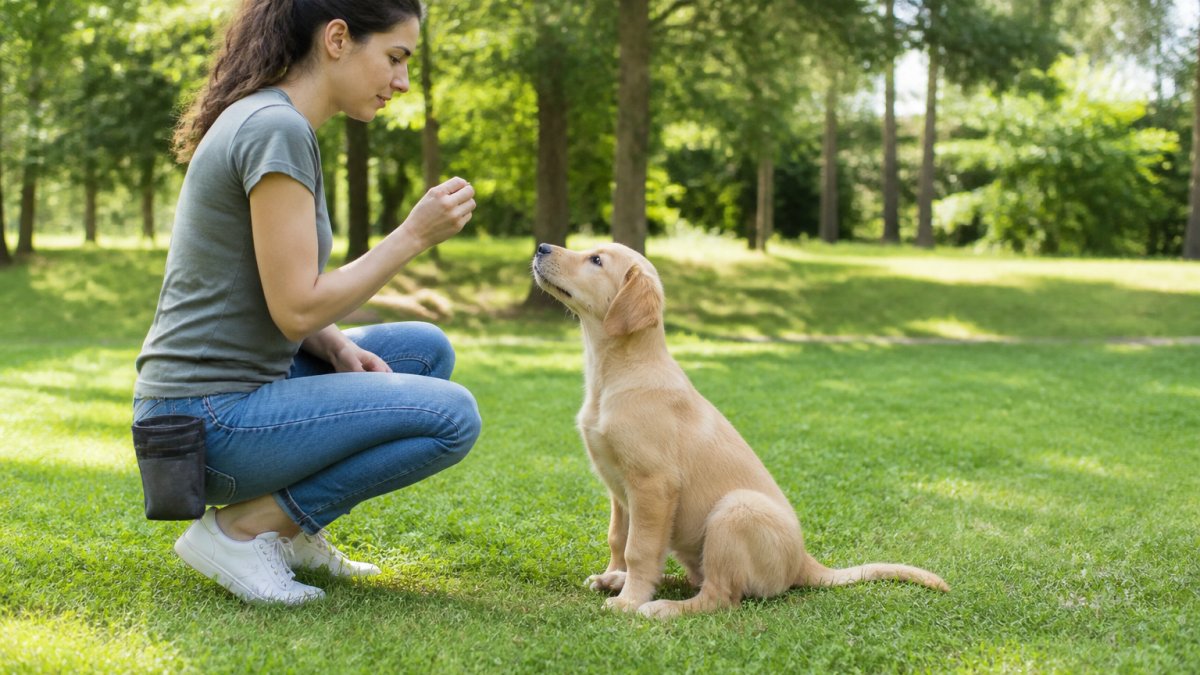
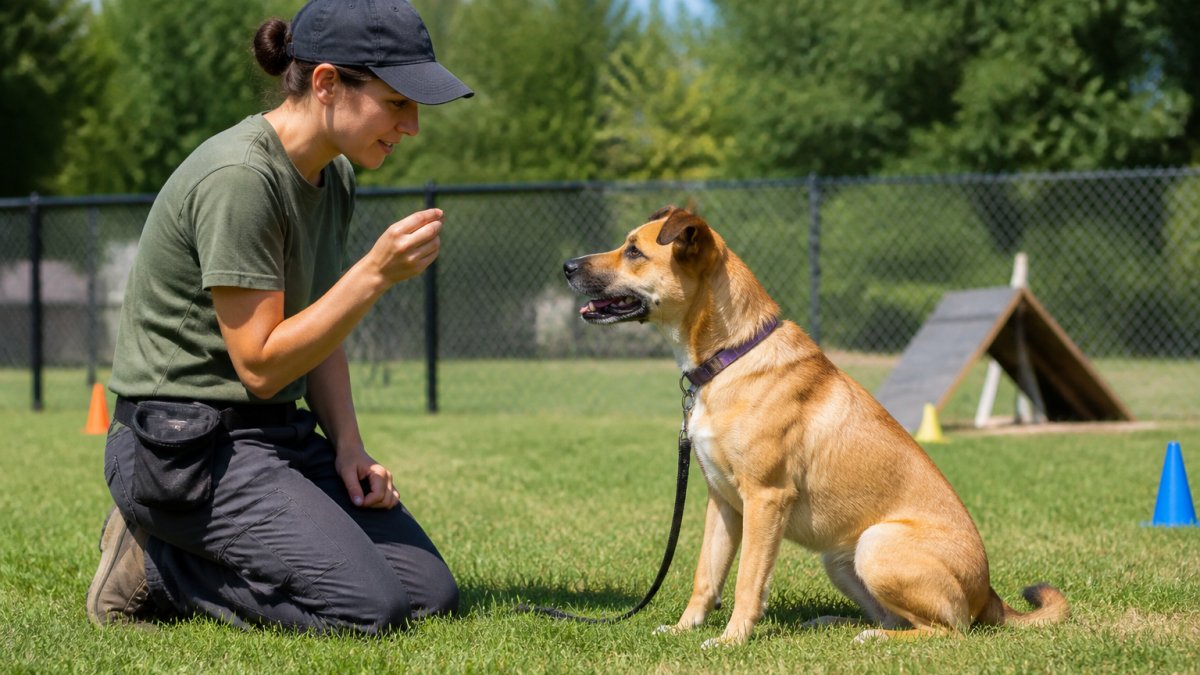
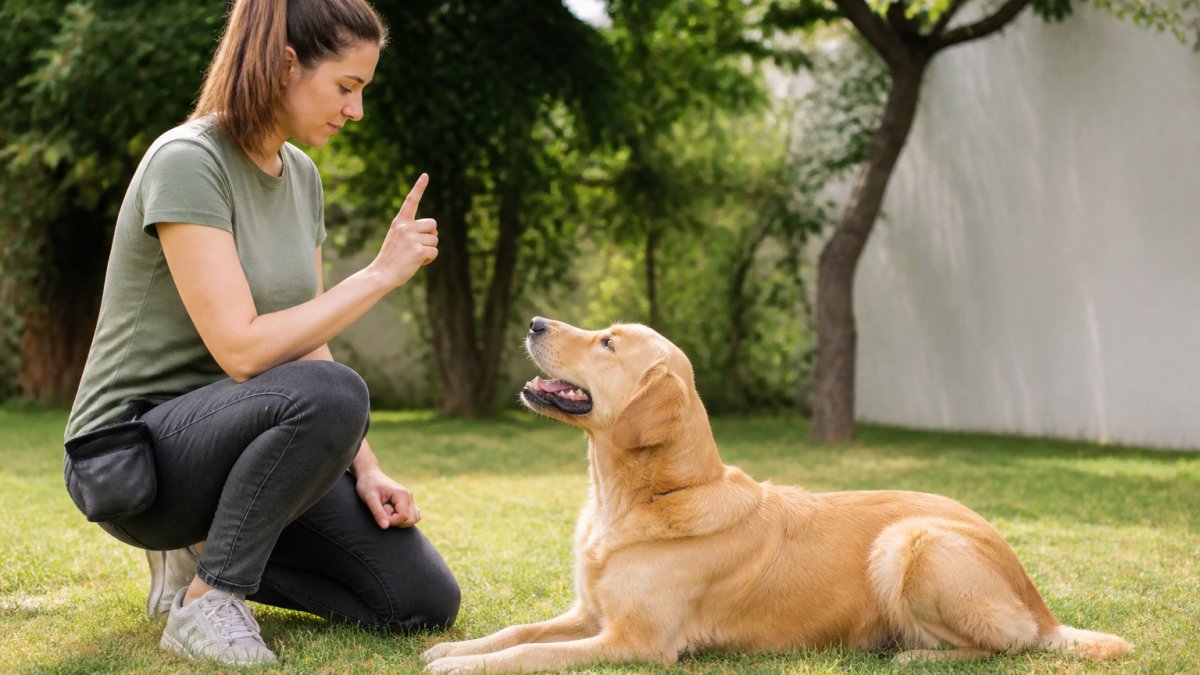
The best dog training methods for beginners start with clarity and positive reinforcement: reward the behavior you want so it happens more often. Before your first session, settle a clear goal, a marker word or clicker, high-value treats, and household rules everyone follows. Keep sessions short, frequent, and consistent.
- Gather a marker, three tiers of treats, a quiet space, and a written household rule list before the first session.
- Say your marker word the instant the behavior happens, then deliver the treat to bridge the gap.
- Teach sit, stay, recall, leave it, and settle in that order, since each builds on the last.
- Run two or three sessions of five to ten minutes per day rather than one long weekend marathon.
- Call a professional trainer for aggression, severe fear, or reactivity that doesn't improve with consistent practice.
Table of Contents
- Why the Best Dog Training Methods for Beginners Start With Clarity
- Positive Reinforcement Dog Training: The Foundation That Works
- Reward-Based vs Aversive Training: What Beginners Should Know
- Basic Dog Commands for Beginners: Sit, Stay, Recall, and More
- Loose-Leash Walking Training Without the Pulling Match
- Potty Training That Holds Up in Real Life
- Socialization and Confidence-Building for a Steady Dog
- A Dog Training Schedule for Beginners That Fits Real Life
- Consistency, Short Sessions, and the Power of Repetition
- A Progressive Training Plan With Milestones
- Troubleshooting Common Training Setbacks
- Adapting Beginner Methods to Adult, Adopted, and Rescue Dogs
- Safety, Fear, and When to Call a Professional Trainer
- Booking Your First Training Assessment With Voca Springs
- Frequently Asked Questions
Why the Best Dog Training Methods for Beginners Start With Clarity
The best dog training methods for beginners are the ones you can actually execute consistently, because a confused owner produces a confused dog.
Dog training methods are the structured techniques used to teach a dog what you want and discourage what you don't, and they differ far more than most beginners realize.
Here's what most guides get wrong: they jump straight to commands. Commands are the easy part. Clarity is the hard part, and it's where nearly every training breakdown starts.
What Beginners Actually Need Before the First Session
Before the first session, a beginner needs four things: a clear goal, a marker word or clicker, high-value treats, and agreement among everyone in the household about the rules. Skip any one of these and you'll spend weeks undoing mixed messages.
Concretely, gather:
- A marker ("yes" or a clicker) that always means "that exact behavior earns a reward"
- Treats in three tiers (ordinary kibble, something good, something exceptional) so you can match reward value to difficulty
- A quiet space with few distractions for the first few sessions
The rule list matters more than people expect. A dog that gets a different answer from every family member learns that rules are negotiable, and negotiable rules don't survive contact with real life.
Positive Reinforcement Dog Training: The Foundation That Works
Positive reinforcement dog training is the practice of rewarding behavior you want so it happens more often, and it forms the backbone of nearly every modern beginner curriculum.
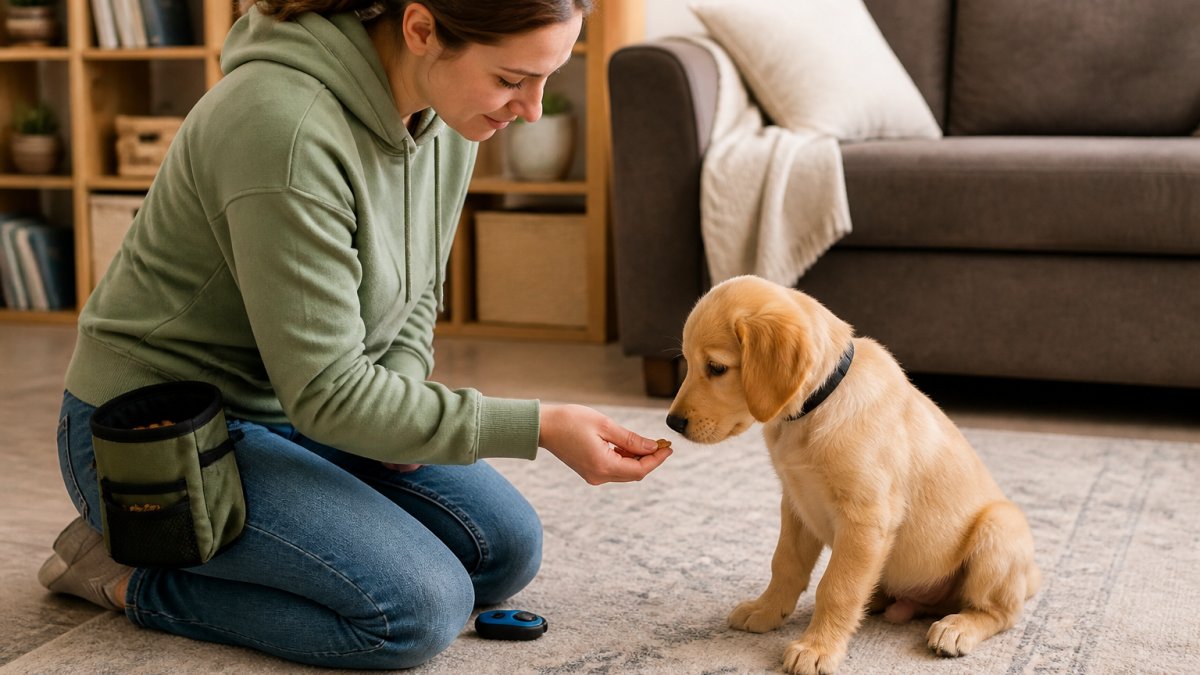
How Rewards, Timing, and Value Shape Behavior
Three variables decide whether reward-based training works: what you reward, when you reward it, and how much the dog cares about the reward.
Timing is the one beginners get wrong most.
Value is the second lever. A dog that ignores kibble in the backyard will work for a scrap of chicken.
Then there's the reward itself. Food is convenient, but praise, affection, and a favorite toy all count.
Reward-Based vs Aversive Training: What Beginners Should Know
Reward-based training rewards desired behavior; aversive-based training punishes unwanted behavior, usually with leash corrections, shouting, or startling devices. Most beginner guides pick a side and move on. That leaves new owners without a way to evaluate the advice they'll encounter, so here is a practical comparison of how the two approaches actually behave in a beginner's hands.
How the Two Approaches Differ in Practice
| Dimension | Reward-based | Aversive-based |
|---|---|---|
| What it teaches | What to do | What not to do |
| Timing demand on the owner | Forgiving; a late treat still lands near the right behavior | Unforgiving; a mistimed correction lands on whatever the dog was doing |
| Effect on behavior | Builds and strengthens a response | Suppresses a response, often temporarily |
| Risk profile | Low when rewards are well-matched | Documented risks of fear, anxiety, and aggression |
| Skill floor for beginners | Low | High; requires reading stress signals and precise delivery |
| What happens when pressure is removed | Behavior persists because it pays off | Behavior often returns because no alternative was taught |
The timing row is the one beginners underestimate. A correction delivered a half-second late doesn't teach the dog what you intended; it teaches the dog that something unpredictable happened. Reward-based training tolerates that same half-second error far better because the marker word bridges the gap between action and payoff.
The Evidence Beginners Should Weigh
The American Veterinary Society of Animal Behavior position statement on punishment recommends reward-based approaches as the first line of training and notes that aversive methods carry risks of fear, anxiety, and aggression.
This doesn't mean every aversive tool is identical or that every dog responds the same way. It means the burden of proof sits with the aversive method, and a beginner is the least equipped person to carry that burden safely.
A Decision Framework for Beginners
When you encounter a new technique, run it through four questions:
- Does it teach an alternative? If the dog is corrected for jumping, what is it supposed to do instead? A method without an answer leaves a vacuum.
- Can I deliver it with correct timing? If the technique depends on catching the behavior within a fraction of a second, and you're new to this, the answer is probably no.
- What does the dog learn about me? Reward-based training builds a dog that offers behavior because it's worth something. Aversive methods build a dog that complies to avoid a consequence.
- What happens when I'm not perfect? Beginners are not perfect. Choose methods that degrade gracefully when timing slips.
Where Aversive Methods Still Appear
You will still see aversive methods recommended, often by people who used them successfully on a single dog. The honest position is that some dogs do suppress behavior under correction, which is why the advice persists.
For beginners, starting with reward-based methods is generally a sound choice. It is more forgiving of imperfect timing, and it does not require precise correction timing, which is a skill new owners typically take time to develop.
Basic Dog Commands for Beginners: Sit, Stay, Recall, and More
The core basic dog commands for beginners are sit, stay, recall, leave it, and a settle cue.
Sit is the easiest entry point.
Stay extends duration and distance.
Recall is the one that can save a dog's life.
Leave it protects your dog from dropped medication, chicken bones, and trash.
Settle teaches the dog to relax on a mat while life happens around it.
Loose-Leash Walking Training Without the Pulling Match
Loose-leash walking training works by rewarding the dog for staying near you and stopping forward motion the moment the leash tightens.
Start somewhere boring: a driveway, a quiet sidewalk, a hallway. Stand still with the dog on a loose leash. The instant the leash goes taut, stop. Wait.
A common mistake is repeating the dog's name while it pulls. That teaches the dog its name means "nothing is happening." Say the name once when you're confident the dog will respond, then reward generously.
If your dog lunges or barks at other dogs on walks, that's reactivity rather than simple pulling, and it needs a different plan. We cover that in more depth in our guide to professional dog training for rescue dogs, since adopted dogs are frequently the ones carrying that history.
Potty Training That Holds Up in Real Life
The real-world version looks like this: take the puppy out every hour or so while awake, plus immediately after waking, eating, and playing. Go to the same spot.
Watch out: punishing an accident teaches the dog to hide the behavior, not to stop it.
For a full step-by-step routine with age-based schedules, our house training guide for puppies walks through the whole process.
Socialization and Confidence-Building for a Steady Dog
Socialization is the process of exposing a dog to new people, animals, sounds, and environments in a way that builds calm familiarity rather than fear.
A common mistake is confusing exposure with flooding. Dragging a nervous puppy into a crowded festival isn't socialization; it's overwhelming.
Practical confidence-building:
- Let the dog approach new objects at its own pace, never forcing contact
- Reward curiosity, even if the dog only looks at the scary thing
- Introduce one new surface, sound, or person per session
A dog that has learned to recover from mild uncertainty handles the vet, the groomer, and the neighborhood far better than one that has never been allowed to feel unsure.
A Dog Training Schedule for Beginners That Fits Real Life
A beginner dog training schedule should be short, frequent, and boringly consistent: two or three sessions of five to ten minutes per day, plus informal practice woven into meals, walks, and downtime. Fifteen focused minutes daily beats a two-hour weekend marathon every time.
A workable weekly structure looks like this:
| Day | Focus | Duration | Notes |
|---|---|---|---|
| Monday | Sit and stay | 2 x 5 min | Living room, low distraction |
| Tuesday | Recall games | 2 x 5 min | Indoor, happy voice |
| Wednesday | Loose-leash basics | 10 min | Driveway or quiet street |
| Thursday | Leave it | 2 x 5 min | Use low-value then higher-value items |
| Friday | Sit and stay, added distance | 2 x 5 min | One new variable only |
| Saturday | Socialization outing | 15-20 min | New place, keep it calm |
| Sunday | Rest and informal practice | Throughout day | Reward good choices during daily life |
The pattern matters more than the specific days. Keep sessions short, keep them positive, and don't stack new skills on top of each other before the previous one is solid.
Consistency, Short Sessions, and the Power of Repetition
Consistency and short sessions outperform long, sporadic training because dogs learn through repetition of clear, rewarded outcomes, and their attention spans are shorter than most owners assume.
Consistency has two faces. There's consistency in cues, meaning everyone uses the same word for the same behavior. "Down" should never mean both "lie down" and "get off the couch." And there's consistency in expectations, meaning the rules don't change based on who's home or whether guests are over.
Repetition builds reliability, but only repetition of correct behavior. If your dog practices sitting crooked ten times, you've taught a crooked sit ten times.
One insider note: end every session while the dog still wants more.
A Progressive Training Plan With Milestones
A progressive training plan moves through four stages: foundation, fluency, distraction, and generalization. Each stage has a clear milestone, a practice frequency, and an observable readiness criterion, and you don't advance until you've hit it. Each milestone works as a checkpoint rather than a guess.
How to Read the Plan
Every stage lists three things: what you practice, how often, and what "ready to advance" looks like. Readiness is always measured by response reliability, not by calendar time. A dog that hits the milestone in three days moves on; a dog that needs three weeks stays put. That is not failure, it is the plan working.
Stage 1: Foundation
Practice: One room, no distractions. Two or three sessions of five minutes per day.
Milestone: The dog performs sit and a three-second stay on a single verbal cue, eight times out of ten.
Readiness criteria:
- Eight of ten reps correct across three separate sessions
- No lure needed for at least half the reps
- The dog returns to you between reps without being called
Stage 2: Fluency
Practice: Add duration and distance, one variable at a time. Two sessions of five to ten minutes per day.
Milestone: The dog holds a stay while you take five steps back and return, with no break, three times in a row.
Readiness criteria:
- Three consecutive clean reps at the current distance
- The dog holds when you pause mid-return for two seconds
- Success rate stays at eight of ten when you add one step
Stage 3: Distraction
Practice: Add mild distractions: a toy on the floor, a person walking past, a doorbell sound. Two sessions of five to ten minutes per day, plus informal reps during daily life.
Milestone: The dog responds to sit and recall with a distraction present, at least seven times out of ten.
Readiness criteria:
- Seven of ten reps correct with a low-value distraction present
- The dog recovers within two seconds after a distraction breaks focus
- Recall succeeds from ten feet away with one person nearby
Stage 4: Generalization
Practice: New locations, starting easier than you think necessary. Two or three short sessions per week in new places, plus daily informal practice.
Milestone: The dog performs the cue in three different environments, including one outdoors.
Readiness criteria:
- The cue works in three locations, one of them outdoors
- Success rate in the newest location reaches seven of ten before you add a fourth
- The dog offers the behavior without a warm-up rep in at least one familiar location
Measuring Progress Instead of Guessing
Vague progress is the enemy of a beginner plan. Track three simple measures each week:
- Response reliability: out of ten reps, how many were correct? Write the number down.
- Distraction level: what was present during the session? Note it so you can compare like with like.
- Location count: how many different places has the cue worked in this week?
A cue that works nine of ten times in the kitchen and three of ten in the yard is not a trained cue; it is a kitchen cue. The location count tells you when generalization is actually happening. Keep a one-line log per session and review it weekly. If reliability drops when you change one variable, drop back one step and rebuild success before advancing again.
When to Slow Down
If a dog misses the readiness criteria twice in a row, the fix is almost always to make the step smaller, not to repeat the same session harder. Split the variable: if adding distance broke the stay, add duration first, then distance. If adding a person broke recall, move the person farther away. The plan is a ladder, and the rungs should be close enough that the dog can reach the next one.
Troubleshooting Common Training Setbacks
Most training setbacks trace back to one of five causes: reward value too low, criteria moving too fast, too many distractions, inconsistent cues, or a dog that's tired, sore, or unwell. Diagnose the cause before you change the method.
Here's a quick reference:
| Problem | Likely Cause | Fix |
|---|---|---|
| Dog ignores a known cue | Reward value too low | Upgrade the treat, lower the distraction |
| Progress stalled | Criteria advanced too fast | Drop back one step, rebuild success |
| Works at home, fails outside | Not generalized | Practice in new places at easier difficulty |
| Pulling returns on walks | Inconsistent reinforcement | Reward slack leash every few steps |
| Sudden behavior change | Possible pain or illness | Vet check before training changes |
If a previously reliable dog suddenly stops responding, get a veterinary check before assuming it's a training problem. Pain changes behavior, and no amount of treats fixes a sore hip.
Adapting Beginner Methods to Adult, Adopted, and Rescue Dogs
Adult, adopted, and rescue dogs learn through the same principles as puppies, with two adjustments: you're often working around established habits, and you may be working through fear or a thin history of trust. Patience replaces urgency.
A newly adopted dog needs a decompression period before formal training. Give it a quiet space, predictable routines, and low demands for the first couple of weeks.
When you do start, focus on relationship first. Hand-feeding, gentle play, and calm proximity build the trust that makes everything else easier.
Rescue dogs sometimes carry fear of specific triggers: men in hats, brooms, car rides. Don't force exposure.
Safety, Fear, and When to Call a Professional Trainer
Call a professional trainer when behavior involves aggression, severe fear, or reactivity that doesn't improve with consistent beginner training, or when safety is at risk for anyone in the household.
Red flags that warrant professional help:
- Growling, snapping, or biting directed at people or other animals
- Panic responses to ordinary situations that don't settle
- Reactivity on walks that makes walking unsafe or impossible
For owners weighing the cost against DIY approaches, our guide on whether professional dog training is worth it breaks down what professional help actually delivers.
We also want to be direct about something: the owner's involvement determines whether training sticks.
Booking Your First Training Assessment With Voca Springs
A first training assessment is the fastest way to stop guessing, because it tells you exactly where your dog is starting from and what to work on first.
Voca Springs Dog Training serves the Caddo and Caney, Oklahoma area. Contact us for details on how training is delivered and what is included in a program.
Before you book, you can review our training packages to see how we structure programs, and check the frequently asked questions for quick answers on how training works.
Frequently Asked Questions
What is the best dog training method for beginners?
Positive reinforcement is the most reliable starting point for beginners. It pairs desirable behavior with a reward the dog actually wants, such as treats, praise, or affection, so the dog repeats the behavior. Mark the exact moment your dog gets it right, reward within a second or two, and keep sessions short. This approach works for puppies and adult dogs, and it builds a dog that offers good choices rather than one that shuts down from fear of correction.
How long should beginner dog training sessions be?
Keep sessions to five to ten minutes, two or three times a day. Puppies and distracted dogs lose focus fast, and short sessions end while your dog is still engaged, which keeps training something they look forward to. A dog training schedule for beginners works best when those short bursts are spread through the day and paired with everyday training moments, like asking for a sit before meals or a wait at the door.
What are the first commands to teach a dog?
Start with sit, stay, recall, and a release cue, then add loose-leash walking training once your dog can focus around mild distractions. Sit is easy to reward and gives you a default behavior to ask for in almost any situation. Stay and recall build safety and freedom. Practice one cue at a time in a quiet room before adding distance, duration, or distractions, and always reward the response you want.
Can you train an adult dog using beginner methods?
Yes. Adult dogs, including adopted and rescue dogs, learn the same way puppies do: through repetition, reward, and consistency. The difference is that adult dogs come with habits already formed, so you may need to manage the environment more and reward calm behavior heavily at first. Basic dog commands for beginners work fine for adult dogs, but a dog with anxiety or reactivity often benefits from a professional assessment to rule out fear-driven behavior.
Is positive reinforcement the best way to train a dog?
For most beginner households, yes. Positive reinforcement dog training produces reliable behavior without the fallout that aversive methods can create, such as fear, suppressed signals, or a dog that obeys only when the correction tool is present. Reward-based training also teaches your dog to think and offer good choices. Aversive tools may appear faster in the short term, but the trade-offs usually show up later in anxiety or damaged trust.
How do you train a dog that gets distracted easily?
Lower the difficulty. Train in a quiet space first, use higher-value treats, and reward the moment your dog checks in with you. Add distractions in small steps, one at a time, and go back a step if your dog fails twice in a row. Short sessions help here too. If your dog cannot focus even at home, a professional trainer can assess whether fear, over-arousal, or a health issue is driving the behavior.
If your dog's behavior has you stuck, the gap between where you are and a well-mannered companion is usually smaller than it feels. Voca Springs Dog Training builds plans around your dog's specific challenges, with obedience and behavior modification work that happens in your home and neighborhood, and with you involved at every step so the progress holds. Get started with Voca Springs Dog Training and turn daily life with your dog into something you both enjoy.